
Sewage Backup Cleanup in Joliet, IL: What Homeowners Should Do First
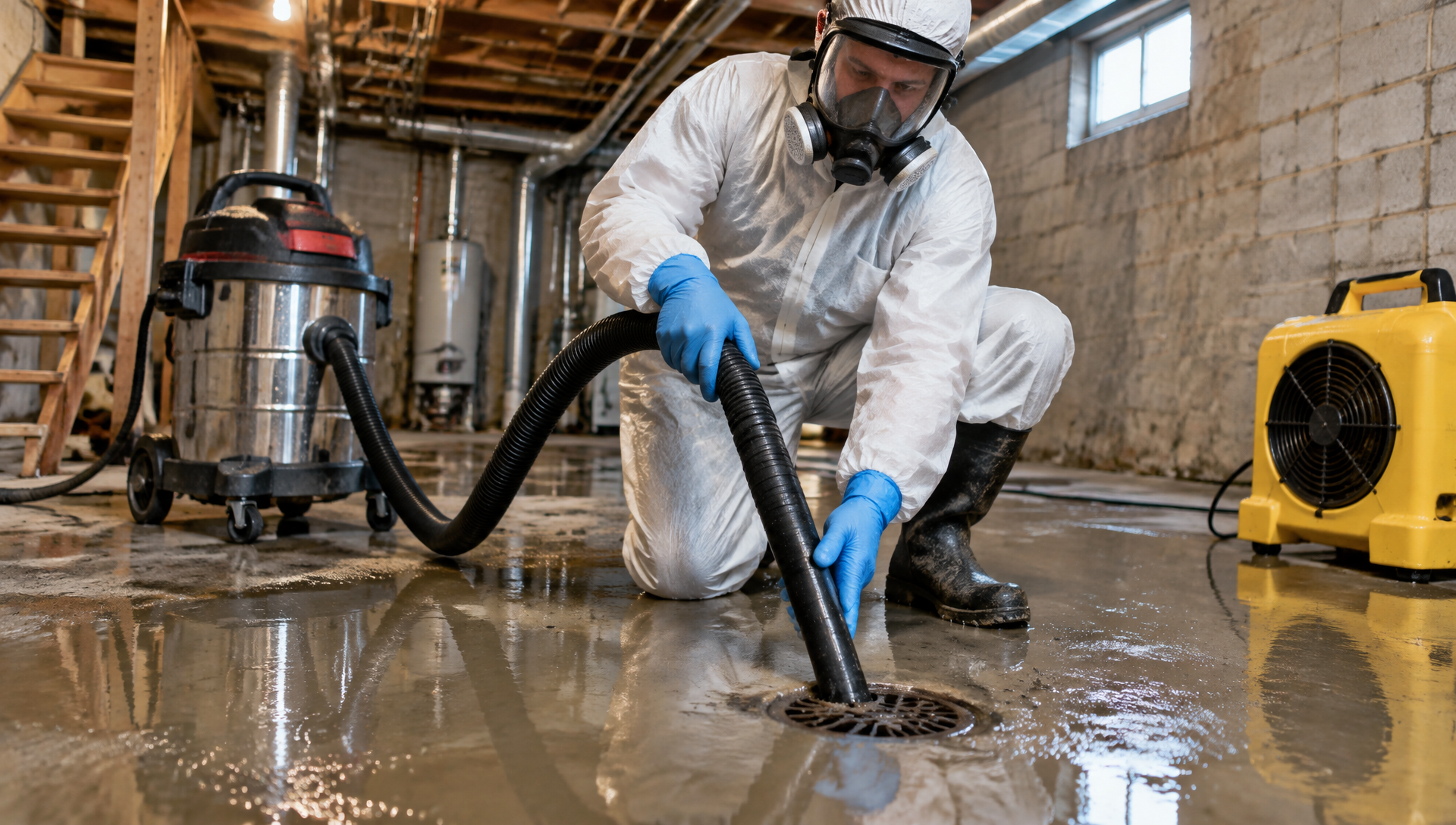
Few things feel worse than walking downstairs and finding dark, foul-smelling water coming up through a floor drain. If that is happening in your home right now, you are probably wondering where to even start. This guide walks you through sewage backup cleanup in Joliet, IL: what to do in the first few minutes, what to avoid, and why this kind of water damage needs a different approach than a clean water leak. RestoPros of Joliet handles water damage restoration in Joliet, including sewage backup cleanup, for homeowners across Joliet and the surrounding area.
Why Sewage Backup Cleanup in Joliet Is Different From Other Water Damage
Not all water in your home is the same. A burst supply pipe usually starts out as clean water. A sewage backup is a different story. Water coming from a sewer line, floor drain, or toilet can carry bacteria and other contaminants that you do not want on your skin, in your lungs, or soaking into your home.
That means the goal is not just to get things dry. Contaminated materials have to be handled carefully, porous items often cannot be saved, and the space needs to be cleaned and sanitized before anyone can treat it like a normal room again. Backed-up sewage is a health hazard, so this is one job where the do-it-yourself route can cause more problems than it solves.
What to Do in the First Few Minutes
1. Keep People and Pets Away
Close off the affected area if you can. Keep kids and pets upstairs or out of the house, and avoid walking through the water yourself. If you have to pass through, wear rubber boots and gloves, and wash up thoroughly afterward.
2. Stop Adding Water to the System
Hold off on flushing toilets, running the dishwasher, doing laundry, or taking showers. Every gallon that goes down the drain may have nowhere to go but back up into your basement.
3. Watch Out for Electrical Hazards
Do not step into standing water near outlets, extension cords, appliances, or a furnace. If you cannot safely reach the breaker panel, leave the area and let professionals assess the situation. Safety comes first, every time.
4. Take Photos Before Anything Moves
Grab wide shots of the room and close-ups of the drain, the water line on walls, and any damaged belongings. Good photos help when you talk with your insurance company later.
5. Call for Professional Help
Once everyone is safe, call a restoration company that handles sewage cleanup. If you are not sure who else needs to hear from you, our guide on who to call when your house has water damage walks through the order that usually makes sense. A plumber may also be needed to clear or repair the line itself.
What Not to Do
- Do not use a household shop vac on sewage water. It can spread contamination.
- Do not run fans before the area is cleaned. They can push odors and particles around.
- Do not try to save soaked carpet, padding, or upholstered furniture on your own.
- Do not toss damaged items before they are photographed and documented.
- Do not assume a quick bleach wipe makes the space safe.
What Professional Sewage Backup Cleanup Looks Like
Every home is different, but a professional cleanup generally follows a careful sequence so contamination does not spread to clean parts of your house.
Assessment and Containment
The crew looks at where the water came from, how far it traveled, and which materials it touched. The affected area may be sectioned off so the rest of the house stays protected while work is underway.
Water Removal
Standing water is extracted with professional equipment. This is the same core step used in any flooded basement, but it is handled with extra care because of what is in the water.
Removing What Cannot Be Saved
Porous materials that soaked up contaminated water, like carpet, padding, and the lower portion of drywall, often need to come out. It is not fun to watch, but leaving them in place can trap bacteria and odors inside your walls and floors.
Cleaning and Sanitizing
Hard surfaces such as concrete floors, framing, and other materials that can be saved are cleaned and sanitized. The goal is to make the space safe again, not just make it look clean.
Drying and Moisture Checks
After cleaning, the area still needs to dry completely. Hidden moisture behind walls and under floors is the same issue we cover in our post on structural drying after water damage. Skipping this step can set the stage for mold growth after water damage, which is the last thing you want after a sewage event.
Common Causes of Sewage Backups in Joliet Homes
A lot of homes in Joliet, Crest Hill, Lockport, and nearby towns have basements with floor drains, which is often where sewage shows up first. Some common culprits include:
- Heavy rain that overwhelms the sewer system and pushes water back toward homes
- Tree roots working their way into older sewer lines
- Grease, wipes, and other items that clog the main line over time
- Cracked, sagging, or collapsed sewer pipes
- A sump pump or ejector pump that fails during a storm
Finding the cause matters, because cleaning up without fixing the source can leave you dealing with the same mess after the next storm. A licensed plumber is usually the right person to inspect and repair the line.
A Quick Word About Insurance
Coverage for sewage backups varies a lot from policy to policy. Many standard homeowners policies exclude sewer or drain backup unless you have added a specific endorsement, and flood-related damage is often handled separately. The best move is to call your insurance company early, ask what your policy includes, and keep every photo and receipt. RestoPros of Joliet works with insurance companies and can help with documentation, but your policy language is what determines what is covered.
Sewage Backup Cleanup FAQ
Can I clean up a small sewage backup myself?
Even a small backup can contaminate flooring, drywall, and belongings. If the water touched porous materials or spread beyond a hard floor, it is safest to have a professional assess it before you start cleaning.
Will my carpet need to be replaced?
In most cases, carpet and padding that soaked up sewage water are removed rather than cleaned. Hard surfaces like concrete and tile can usually be cleaned and sanitized.
Is it safe to stay in my home during cleanup?
That depends on how much of the home was affected and who lives there. Your restoration team can talk through the situation with you once they see the damage. Keeping everyone out of the affected area is always a good idea.
Do you handle other types of damage too?
Yes. Along with water and sewage cleanup, RestoPros of Joliet provides fire and smoke damage restoration for local homes. You can browse more tips on our restoration blog.
Get Sewage Backup Cleanup in Joliet Today
A sewage backup is stressful, but you do not have to sort it out alone. RestoPros of Joliet serves Joliet, Shorewood, Plainfield, Lockport, New Lenox, Romeoville, and nearby communities. We will clean, sanitize, and restore the space so it is safe again. Call RestoPros of Joliet at (779) 230-4928 to talk with a real person, or request emergency service online and tell us what happened.
Need help today?
Local Joliet crews on site fast — 24/7, insurance-friendly documentation included.
Call (779) 230-4928