
How Fast Does Mold Grow After Water Damage? A Guide for Joliet Homeowners
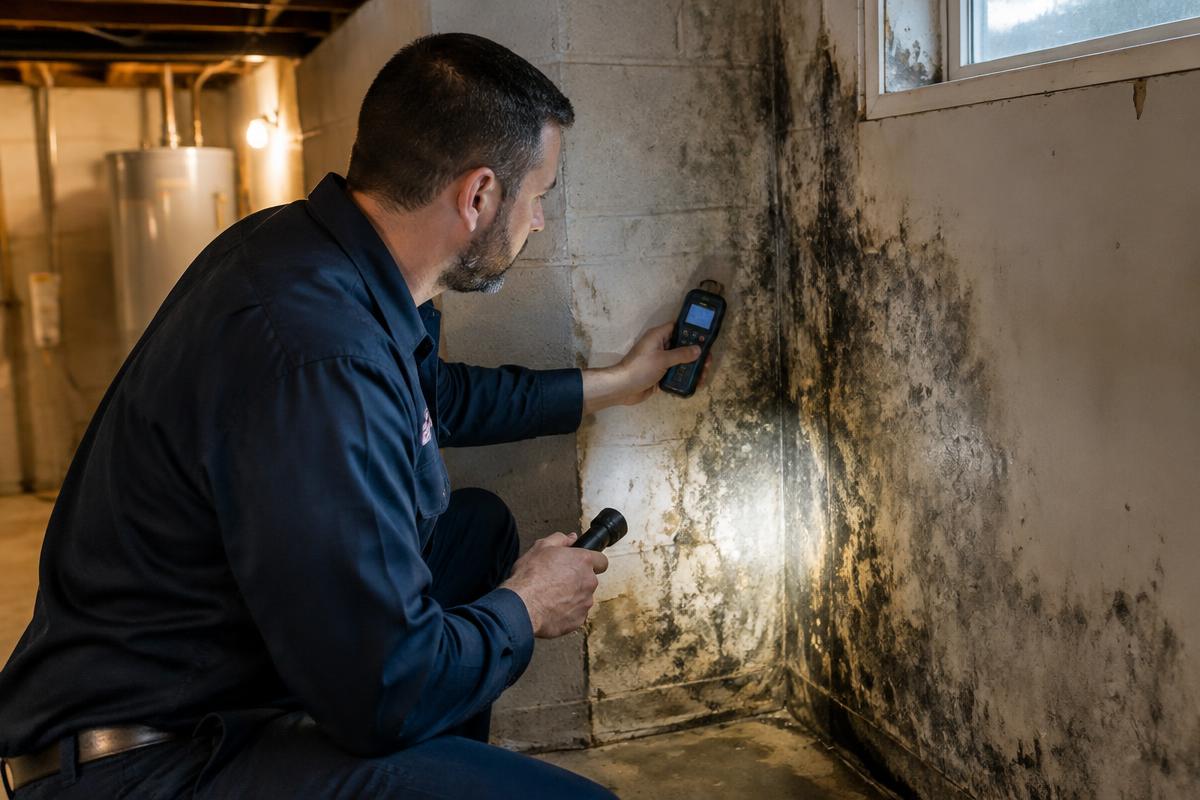
When water damage hits a Joliet home, most homeowners focus on the water itself — extracting it, drying the floors, and getting life back to normal. But there's a second threat that often shows up days or weeks later: mold. Mold spores are everywhere in our environment, and all they need to colonize is moisture and organic material like drywall, wood, or carpet backing. Understanding how fast mold grows after water damage — and what to do about it — can save you thousands in repairs and protect your family's health.
How Fast Does Mold Grow After Water Damage?
Mold doesn't waste time. Under the right conditions — moisture, temperatures between 60 and 80 degrees, and organic material to feed on — mold can begin growing within 24 to 48 hours of water intrusion. That's why the first two days after a leak, flood, or burst pipe are so critical. What starts as invisible spores on a damp wall cavity can become a visible, spreading colony within a week.
The Typical Timeline
- 0–24 hours: Water soaks into drywall, insulation, subflooring, and furniture. No visible mold yet, but spores are activating.
- 24–48 hours: Mold spores begin to germinate and colonize wet surfaces, especially in dark, humid areas like basements and wall cavities.
- 1–7 days: Visible mold patches may appear. A musty odor often develops. Colonies spread through damp materials.
- Weeks and beyond: Established mold can affect indoor air quality and spread to previously dry areas as humidity stays elevated.
Why Joliet Homes Are Especially Vulnerable
Will County homes face a few mold-friendly conditions. Heavy spring and summer storms can push water into basements through foundation cracks and window wells. Older housing stock in neighborhoods across Joliet often means basements with porous concrete block foundations that hold moisture. And our humid Illinois summers keep indoor humidity high enough that even small, unnoticed leaks — a slow supply line drip behind a washing machine, a leaking water heater — can fuel hidden mold growth.
Warning Signs of Mold After Water Damage
Not all mold is obvious. Watch for these signs in the weeks following any water event:
- A persistent musty or earthy smell, especially in basements or closets
- Dark spots or discoloration on walls, ceilings, or around baseboards
- Bubbling or peeling paint and wallpaper
- Warped flooring or lifting carpet edges
- Increased allergy symptoms, coughing, or congestion at home that improve when you leave
If you notice any of these, don't disturb the area — scrubbing or tearing out moldy material yourself can release spores into the air and spread the problem.
The Key: Professional Drying Before Mold Starts
The single best mold prevention strategy is fast, thorough structural drying. Household fans and shop vacs only address surface water; moisture trapped inside wall cavities, subflooring, and insulation is what mold feeds on. Professional restoration teams use moisture meters and thermal imaging to find hidden saturation, commercial-grade air movers and dehumidifiers to dry structural materials, and daily moisture readings to confirm everything is truly dry — not just dry to the touch.
If more than 48 hours have passed since the water event, professional water damage restoration should include a mold assessment, and any discovered growth should be handled with proper containment and removal — not a bottle of bleach.
Why Bleach Isn't the Answer
Many homeowners reach for bleach when they spot mold, but bleach is mostly water — and it only kills surface growth on non-porous materials. On drywall and wood, the water in bleach can actually feed the mold's root structure (hyphae) deeper in the material, letting it regrow days later. Professional mold remediation uses containment barriers, HEPA air scrubbers, and removal of contaminated materials when needed, following industry standards to keep spores from spreading to the rest of your home.
What Insurance Covers
Most homeowner policies cover mold remediation only when the mold results from a sudden, covered water event — like a burst pipe — and many limit mold coverage to a specific dollar amount. Slow leaks and long-term humidity are usually excluded. This is another reason to act fast: documenting the water event and starting professional drying quickly strengthens your claim and prevents the mold exclusion from coming into play.
Call RestoPros of Joliet Before Mold Takes Hold
If your Joliet home has had water damage — this week or last month — the team at RestoPros of Joliet can inspect for hidden moisture, dry affected structures properly, and remediate any mold growth safely. We answer 24/7, and we work with your insurance to make the process as smooth as possible. Call us at (779) 230-4928 for immediate help, or request emergency service online. For more prevention tips, browse our restoration blog.
Need help today?
Local Joliet crews on site fast — 24/7, insurance-friendly documentation included.
Call (779) 230-4928