
Structural Drying After Water Damage: Why Water Removal Is Only the First Step
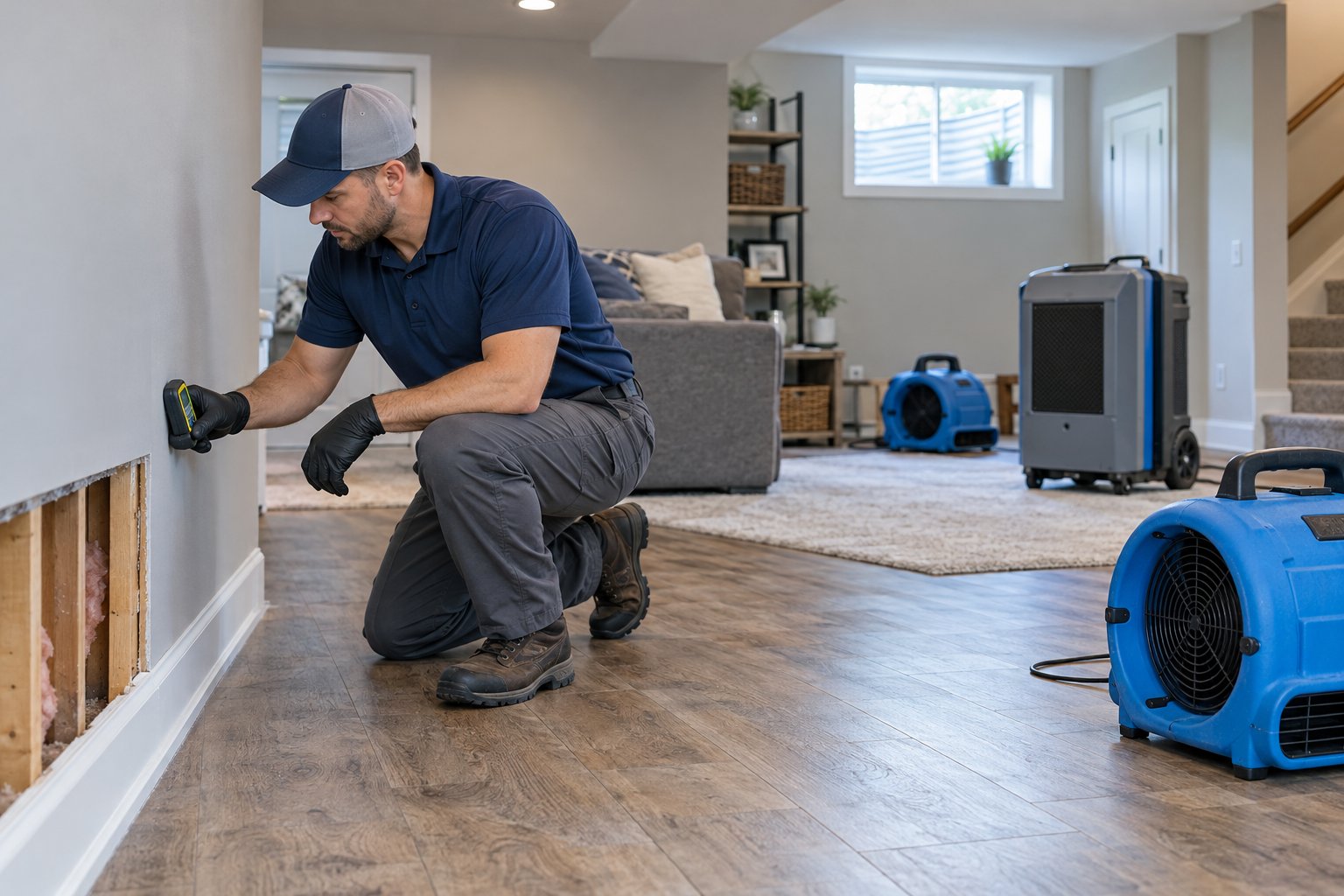
Why Water Removal Is Only the First Step After a Flood
When water enters a home, the first priority is stopping the source and removing standing water. But a floor that looks dry can still hold moisture below the surface. Complete water damage restoration in Joliet should include moisture detection, structural drying, and continued monitoring—not extraction alone.
That distinction matters after burst pipes, appliance leaks, sump-pump failures, and basement flooding. Water can move under flooring, soak drywall, enter insulation, and collect around framing. Without measured drying, damp materials may continue to swell, weaken, stain, or create conditions that allow mold growth.
Extraction Removes Water You Can See
Professional pumps and vacuums can quickly remove standing water. This limits how far the loss spreads and makes the affected area safer to evaluate. Extraction is essential, but it does not show how much moisture remains inside building materials.
A technician may check walls, baseboards, flooring, cabinets, and nearby rooms because water does not always stay within the obvious wet area. Moisture readings help define the actual boundary of the damage and guide where drying equipment should be placed.
Structural Drying Targets Moisture Below the Surface
Air movers increase evaporation across wet materials, while commercial dehumidifiers remove moisture from the air. Used together, they help create controlled drying conditions for materials that can be saved. Equipment quantity, placement, and operating time should reflect the size of the loss, the affected materials, and the readings taken during the project.
This is especially important in finished basements, kitchens, and rooms with layered flooring. A dry surface can hide damp padding, subflooring, wall cavities, or insulation. Closing the area too soon may trap moisture and lead to additional repairs later.
Monitoring Shows Whether the Drying Plan Is Working
Structural drying is a process, not a one-time equipment drop. Follow-up readings show whether materials are moving toward an appropriate dry standard. If a section remains wet, the team can adjust airflow, dehumidification, or access rather than relying on appearance or touch.
Daily documentation can also create a clearer record of the affected areas, equipment used, and drying progress. When an insurance claim applies, coverage depends on the cause of loss and policy terms, but organized photos and readings may help support communication with the carrier.
Fast Drying Can Reduce Secondary Damage
Lingering dampness can contribute to odors, damaged finishes, and mold concerns. RestoPros of Joliet lists extraction, structural drying, dehumidification, hidden-moisture checks, and mold prevention after water damage among its local services. Addressing the wet materials promptly may reduce the amount of demolition and reconstruction needed.
Water may also be present after fire suppression. If a property has both smoke and water damage, cleanup should account for soot, odor, and wet materials as part of one coordinated plan. Learn more about the company's fire and smoke damage restoration capabilities.
Get Water Damage Help in Joliet
If a pipe bursts or a basement floods, stay away from electrical hazards and stop the water source only when it is safe. RestoPros of Joliet serves Joliet and nearby communities, including Shorewood and Plainfield. Request emergency water damage service or call 779-230-4928 for 24/7 assistance.
Need help today?
Local Joliet crews on site fast — 24/7, insurance-friendly documentation included.
Call (779) 230-4928